08 Jul
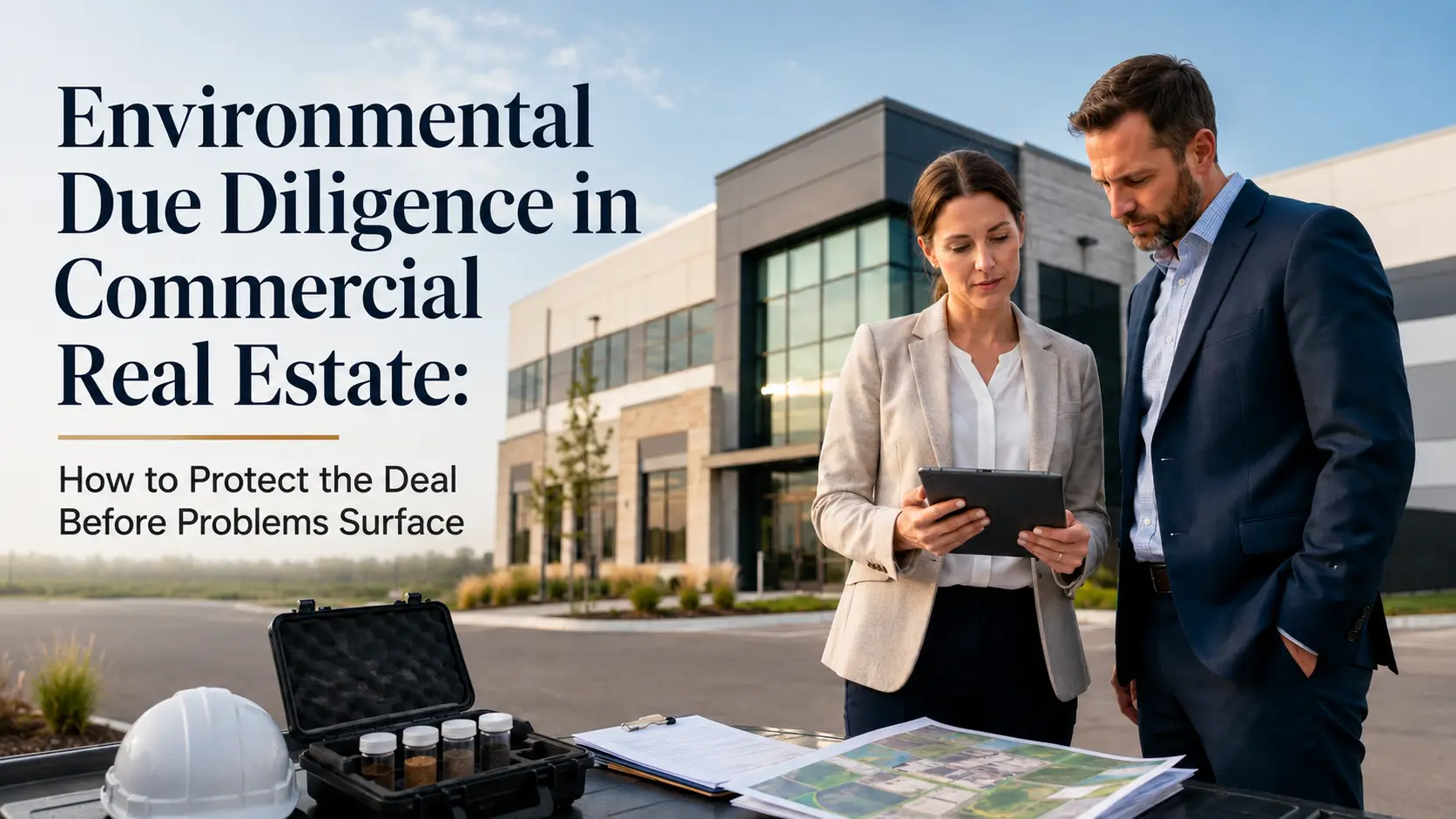
Environmental due diligence has a bad reputation in commercial real estate. Buyers, sellers, and brokers often see it as the stage where momentum slows and lender questions increase. Environmental review does not exist to kill transactions. It prevents buyers from inheriting hidden problems.
A property can look clean during a tour and still carry hidden risk. Old fuel tanks, former dry cleaning use, auto repair activity, manufacturing, chemical storage, contaminated soil, groundwater concerns, asbestos, lead-based materials, or impacts from nearby sites can all affect a transaction. Some issues are minor. Others can change pricing, delay financing, or stop the deal.
According to professional geologist and co-founder of Fulcrum Environmental Don Kellar, many environmental concerns are manageable when they are identified early. The larger threat is often not the issue itself. It is discovering it late, when escrow deadlines are tight and financing is close.
That is why environmental due diligence is deal protection, not paperwork.
Why It Matters
Every commercial property has a past. An office building may have once supported industrial work. A retail center may have included a dry cleaner. A warehouse may have stored regulated materials.
Buyers should never rely on appearances alone. Fresh paint and clean landscaping cannot reveal what may exist in the soil, groundwater, building materials, or regulatory records. Environmental due diligence helps answer one practical question: what risk comes with this property?
That question matters because environmental risk can affect value, financing, insurance, redevelopment plans, ownership responsibility, and resale potential. A buyer may not have caused the condition, but ownership can still create responsibility if the issue is not reviewed before closing.
ResearchGate’s discussion of environmental due diligence points to the broader purpose: evaluating compliance, liability, past site activity, and future costs. Buyers are inheriting the property’s history.
The Phase I Environmental Site Assessment
Most commercial environmental reviews begin with a Phase I Environmental Site Assessment. This is usually the first serious look at whether a property has recognized environmental concerns.
A Phase I typically includes historical research, regulatory database reviews, interviews, and a site inspection. It does not usually include drilling, soil sampling, groundwater testing, or laboratory analysis. Instead, the consultant studies prior property use, nearby sites, government records, and visible site conditions.
Lenders often require a Phase I before financing. Buyers should also view it as basic protection. Skipping environmental review may feel efficient, but that efficiency can become expensive if a hidden issue appears after closing.
When More Investigation Is Needed
Sometimes a Phase I identifies a recognized environmental concern. That finding does not automatically mean the property is unsafe, unusable, or impossible to finance. It means the team needs more information.
The next step may be a Phase II Environmental Site Assessment. This can involve soil sampling, groundwater testing, soil vapor evaluation, indoor air testing, or other focused investigation. The goal is to determine whether contamination exists, how serious it may be, and what it means for the transaction.
Kellar notes that modern review may go beyond basic soil and groundwater testing. Depending on the concern, consultants may also examine vapor intrusion and possible exposure pathways. That scope can feel inconvenient during escrow, but it helps the team separate manageable concerns from serious problems.
The smart question is not, “Is there any risk?” Every property has some level of risk. The better question is, “Is the risk understood, manageable, and properly reflected in the deal?”
How Issues Affect the Deal
Environmental concerns can slow financing, change deal economics, and disrupt timing. A lender may request more information before releasing funds. A buyer may ask for a price reduction, seller credit, escrow holdback, indemnity, cleanup commitment, or extended review period. In serious cases, the buyer may walk away.
Review also takes time, especially when testing, lab results, agency records, or remediation estimates are involved. When the process starts late, the deal can get squeezed between a deadline and incomplete information.
Most importantly, surprises weaken trust. Buyers become cautious. Sellers become defensive. Lenders slow down. Brokers manage tension instead of momentum. Early review gives everyone more room to think clearly and negotiate responsibly.
Older Reports Are Useful, Not Final
Prior environmental reports can be valuable, but they are not always enough. Standards, sampling methods, laboratory thresholds, and regulatory expectations change over time. Old reports should be treated as background, not permanent proof that an issue is closed forever.
What Each Party Should Do Early
Buyers should order environmental review as soon as the transaction begins. They should request prior reports, ask about tanks and hazardous materials, review past uses, and confirm that the purchase agreement allows enough time for further investigation if needed.
Extra care is warranted for properties tied to auto repair, fuel storage, dry cleaning, manufacturing, printing, chemical handling, waste storage, tanks, clarifiers, drains, or sumps. These uses do not make a property a bad investment, but they deserve closer review.
Sellers should gather records before going to market, including reports, permits, tank letters, cleanup documents, site plans, and agency correspondence. Early transparency protects momentum. If a known issue exists, hiding it rarely helps because a qualified consultant will likely uncover it later.

Bottom Line
Environmental due diligence does not have to derail a commercial real estate deal. When handled early, it gives the deal team better information while there is still time to act.
If the property is clean, the buyer gains confidence. If the issue is minor, the parties can document it or address it in the agreement. If the concern is serious, the buyer can renegotiate or walk away before accepting a costly liability.
Deals rarely fall apart because someone asked smart questions early. They fall apart when those questions are ignored until the timeline, budget, and negotiating power are already under pressure.
A strong transaction does not require perfect conditions. It requires clear facts, honest communication, and a team willing to face risk before risk controls the deal.
“Originally published by JC Casillas, Marketing Director NAI Capital” June 2026. Refer to his contact information on the article.
